How an Animal Hospital Keeps Orlando Pets Safe in Summer

How an Animal Hospital Keeps Orlando Pets Safe in Summer
Summer in Orlando is known for its intense heat and humidity, which can quickly become dangerous for animals of all kinds. Whether you care for dogs, cats, rabbits, pigs, or exotic pocket pets, protecting them from seasonal hazards is a top priority. At Crystal Creek Animal Hospital, located at 12110 Crystal Commerce Way, Orlando, FL 32837, our veterinary team is dedicated to helping both pet owners and small livestock keepers recognize the risks unique to our region’s climate. In this guide, you’ll find practical advice on heat stress, hydration, and common summer dangers, along with expert insight on when to seek professional care from your local animal hospital in Orlando. We’ll cover signs of heat distress, how to prevent seasonal emergencies, and the value of annual wellness exams and preventive care for every species in your care.
Recognizing Summer Hazards for Pets and Small Livestock
Orlando’s summer climate can present a range of health risks for animals. For pet owners, the dangers often start with heatstroke and dehydration, but extend to sunburn, burned paw pads from hot pavement, and sudden thunderstorms that can trigger anxiety or flight in dogs and cats. Owners of pigs and exotic species such as rabbits and guinea pigs must also be vigilant, as these animals can have an even lower tolerance for heat and humidity. For those keeping small livestock or backyard pigs, summer brings the additional challenge of maintaining clean water sources and shaded areas, as well as managing fly and parasite pressure that can quickly escalate in the heat.
Key symptoms of heat-related distress include excessive panting, drooling, lethargy, staggering, red or pale gums, vomiting, and collapse in dogs and cats. Rabbits may become listless, breathe rapidly, or stretch out in an attempt to cool down, while pigs often exhibit open-mouth breathing, weakness, and reluctance to move. Pocket pets such as guinea pigs and hamsters may become unusually quiet or have trouble breathing. When these warning signs appear, it’s important to take action promptly, as heatstroke can become fatal in a matter of minutes.
Why Summer Heat Is So Dangerous for Animals
Understanding why summer heat is risky for your animals can help you prevent emergencies. Dogs and cats cool themselves by panting and, to a lesser extent, through their paw pads. However, when humidity is high, as it often is in Orlando, the effectiveness of panting decreases, increasing the risk of overheating. Brachycephalic breeds such as Bulldogs, Pugs, and Persian cats are especially at risk since their shortened airways make cooling themselves even less efficient.
Rabbits, guinea pigs, and pigs do not sweat and have limited ways to dissipate heat. Rabbits rely on their ears to release excess warmth; if the air temperature is high, this method is ineffective. Pigs are known for their poor heat tolerance and can develop heat stress quickly, particularly if overweight or without access to wallows or shade. In all these species, factors like age, obesity, heart or respiratory disease, and thick coats can increase vulnerability during hot weather.
Additionally, Orlando’s rapid afternoon thunderstorms and high UV levels add to the risk. Sudden storms may drive animals to hide or escape, leading to injuries or lost pets, while strong sun can cause sunburn on noses, ears, and sparsely furred areas, especially in white or light-colored animals.
How an Animal Hospital Treats Summer Emergencies
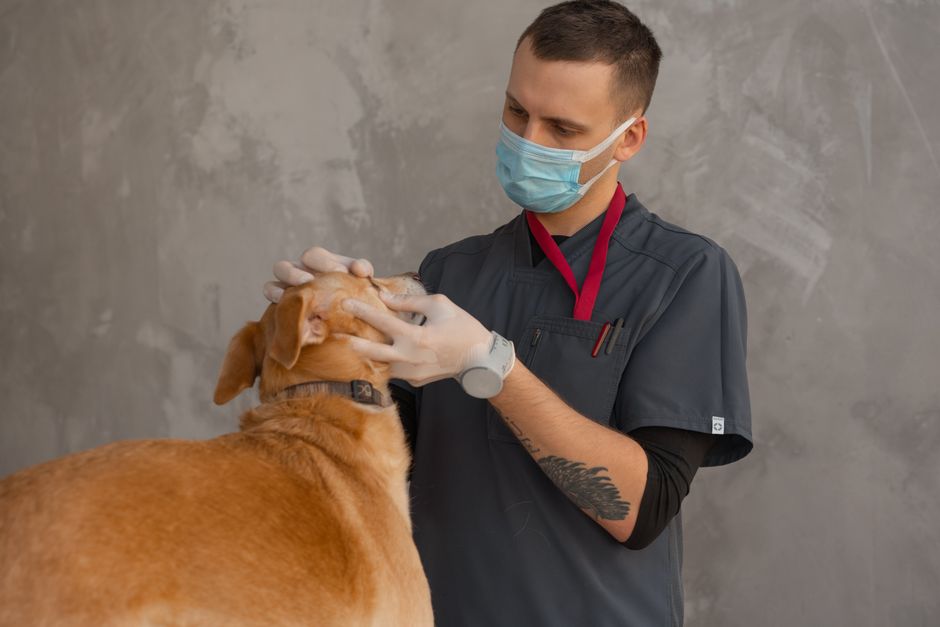
When animals arrive at an animal hospital during a heat emergency, time is of the essence. Our veterinary professionals act quickly to stabilize the patient and lower their body temperature. Treatment approaches involve immediate cooling using wet towels, fans, and intravenous fluids to rehydrate and restore normal organ function. Oxygen therapy may be needed for animals struggling to breathe, and those with severe symptoms are closely monitored for complications such as kidney damage, clotting disorders, or neurological issues.
For rabbits and pocket pets, specialized care is required since rapid cooling can be dangerous. Our team uses gentle cooling techniques and provides supportive care tailored to the species’ needs. Pigs may require sedation, IV fluids, and intensive monitoring due to their unique physiology and tendency to develop secondary health issues.
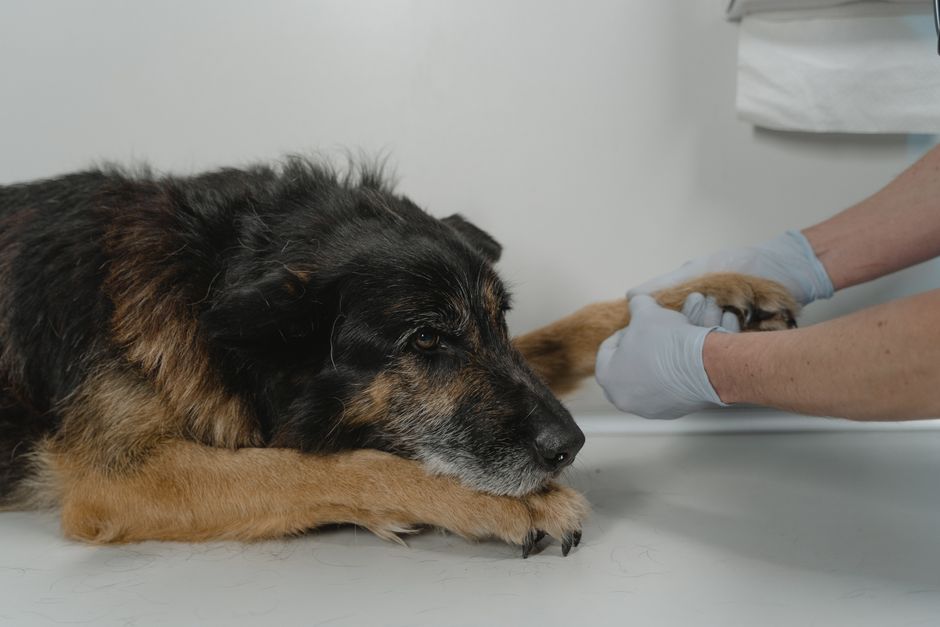
Beyond heatstroke, our animal hospital is equipped to handle related summer emergencies, including burned paw pads, insect stings, allergic reactions, and storm-related injuries. We also offer emergency veterinary care for urgent situations, ensuring your animals have access to advanced treatment when they need it most.
Preventing Heat Stress and Seasonal Hazards at Home and on the Farm
Proactive prevention is the key to keeping pets and small livestock healthy during Orlando summers. For pet owners, practical steps include providing fresh, cool water at all times, limiting outdoor activity to early morning or evening, and ensuring animals have access to shade. Walk dogs only on grass or cool surfaces, as pavement and sand can quickly burn sensitive paw pads. Never leave any animal in a parked car, even for a few minutes, as temperatures can become life-threatening in a very short time.
For rabbits, guinea pigs, and other pocket pets, keep enclosures indoors during the hottest months or provide frozen water bottles and fans to help keep their environment cool (while ensuring air is not blowing directly on them). Pigs and small livestock require shaded shelters, wallows, or misting systems, as well as vigilant fly control and frequent checks on water sources to prevent contamination and dehydration.
Grooming also plays a crucial role in summer wellness. Regular brushing removes excess hair, while professional grooming services can help keep coats manageable and reduce the risk of heat stress, especially in long-haired breeds. For those planning to travel, consider boarding services that offer climate-controlled environments and professional supervision to protect your animals from unexpected heat events while you’re away.
When to Visit the Animal Hospital
Knowing when to seek veterinary care can be life-saving during summer. If your animal shows signs of overheating such as heavy panting, drooling, weakness, rapid breathing, vomiting, or collapse, bring them to an animal hospital immediately. For rabbits, pigs, or pocket pets, signs like persistent lethargy, rapid breathing, or unresponsiveness warrant urgent attention. Quick intervention is essential since heatstroke can lead to organ damage or death if not promptly addressed.
It’s also wise to schedule a wellness examination before the summer season. Our veterinarians can identify risk factors such as heart disease, obesity, or breed predispositions that may increase susceptibility to heat stress. Annual exams ensure your animals are protected with the right vaccines, parasite prevention, and health screenings for a safe and active summer.
Supporting Animal Wellness All Summer Long
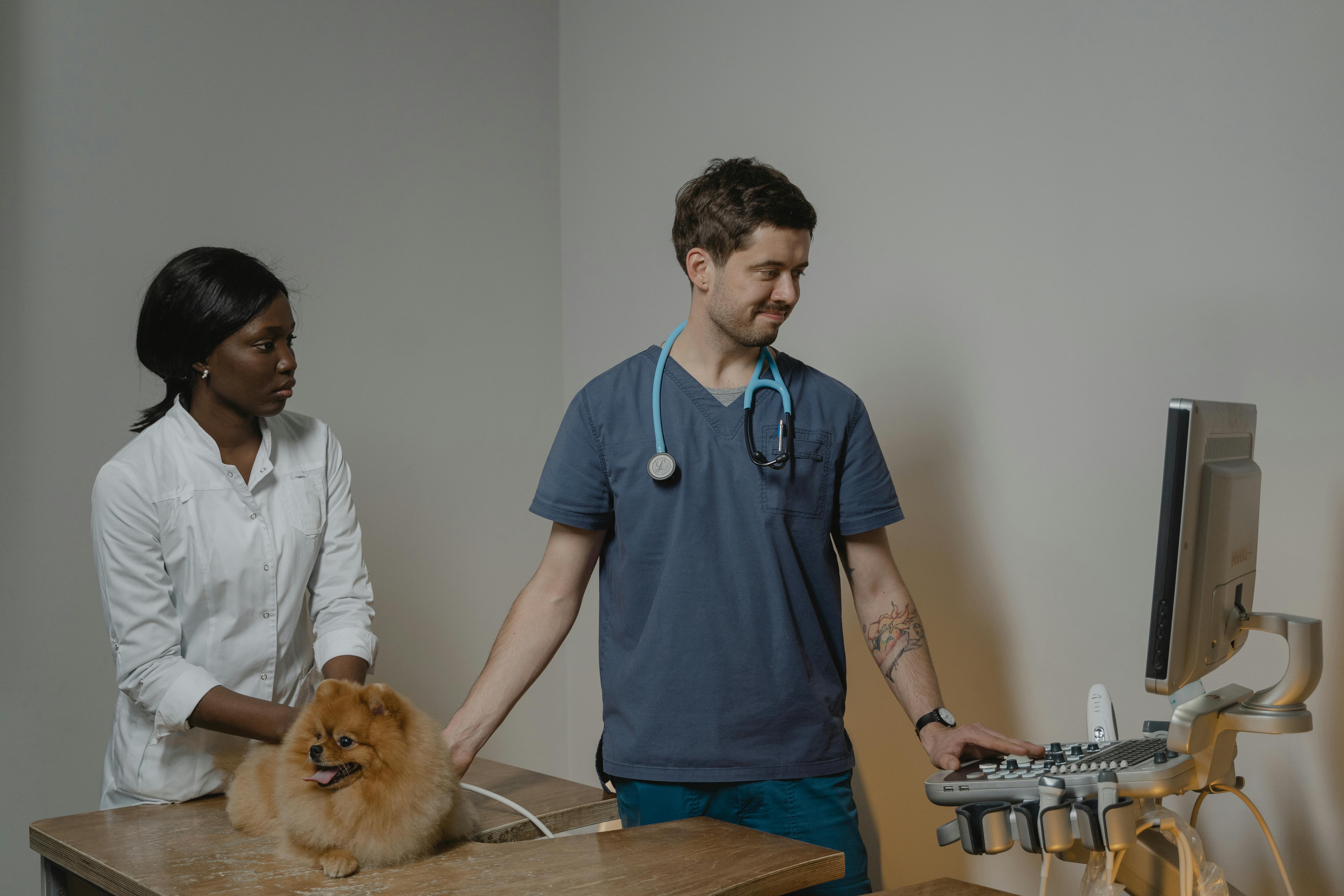
At Crystal Creek Animal Hospital, we believe ongoing education and preventive care are vital for keeping every animal in Orlando and the surrounding communities safe during the hottest months. Our veterinary team is here to support you with personalized advice and comprehensive care, whether you have a playful puppy, a senior cat, a backyard pig, or a beloved rabbit. We encourage you to explore our wellness prevention plans, which are designed to help your animals thrive year-round by addressing seasonal hazards before they become emergencies.
If you ever find yourself searching for a veterinarian near me during the summer, remember that our animal hospital combines advanced medical expertise with genuine compassion for every patient and owner. To schedule an appointment or speak with one of our veterinarians, call (407) 203-0741 or visit us at 12110 Crystal Commerce Way, Orlando, FL 32837. Let our team of veterinary professionals help you keep your animals safe, healthy, and comfortable all summer long.
This blog is for informational purposes only and should not replace professional veterinary advice. If your animal is experiencing an emergency, seek immediate care from a licensed veterinarian.