Protect Your Dog From Fleas and Ticks in Orlando’s Rainy Season

Protect Your Dog From Fleas and Ticks in Orlando’s Rainy Season
Orlando’s hot, rainy September weather might bring much-needed relief from the summer heat, but it also brings a surge in fleas and ticks—two of the most common and troublesome parasites affecting dogs in Central Florida. At Crystal Creek Animal Hospital, located at 12110 Crystal Commerce Way, Orlando, FL 32837, our veterinary team knows how challenging parasite control can be during this time of year. Whether you’re a new dog owner or a seasoned caretaker, it’s natural to worry about your dog’s health as the weather shifts and parasites become more active. This blog will guide you through how to recognize the signs of flea and tick problems, understand why these parasites thrive in Orlando’s climate, learn about treatment options, and take practical steps to keep your dog itch-free and comfortable. We’ll also explain when it’s time to involve our veterinary professionals for extra support, and how we can help you protect your dog all season long.
Recognizing Flea and Tick Problems in Your Dog
The first step to effective parasite control is learning how to spot the warning signs early. Flea infestations often begin subtly, with symptoms such as constant scratching, biting, or licking, especially around the base of the tail, groin, or behind the ears. In some dogs, you might notice red, irritated skin, small scabs, or even signs of hair loss. Fleas can also leave behind tiny dark specks—often called “flea dirt”—which look like pepper flakes and turn reddish-brown if moistened. These are actually flea droppings and a telltale sign of their presence.
Tick bites are usually less itchy at first, but you may notice your dog developing small, hard lumps where ticks have attached. Ticks are often found in areas with less fur, such as the ears, between the toes, or under the collar. Sometimes, dogs with heavy tick burdens seem more tired or develop a low-grade fever. In rare cases, ticks can transmit serious diseases that cause lethargy, joint swelling, or even sudden weakness in the back legs.
Some dogs develop allergic reactions to flea saliva, resulting in intense itching and secondary skin infections. If your dog seems miserable, has persistent skin problems, or you spot any moving insects on their coat, it’s time to take action.
Why Fleas and Ticks Thrive During Orlando’s Rainy Season
Orlando’s subtropical climate creates ideal conditions for fleas and ticks, especially during September’s rainy season. Warmth and humidity accelerate the flea life cycle, allowing eggs to hatch and mature rapidly. Rain encourages lush grass and dense foliage, providing shelter and breeding grounds for both fleas and ticks. As your dog enjoys walks through neighborhood parks, visits to local dog-friendly trails, or even spends time in your own backyard, exposure risk increases.
Ticks often hide in tall grass or brush, waiting to latch onto passing animals. Fleas, on the other hand, can be brought into your home on shoes, clothing, or from contact with other animals. Once established, these parasites are notoriously difficult to eradicate, as they can reproduce quickly and survive in carpets, bedding, and outdoor shady spots.
Dogs that frequently visit dog parks, interact with other pets, or travel to boarding and grooming facilities—services conveniently available at Crystal Creek Animal Hospital—are at a higher risk. Even indoor dogs are not immune, as fleas can hitch a ride inside on people or other animals. Recognizing these environmental factors helps dog owners remain vigilant during the peak of parasite season.
Professional Treatment and Veterinary Support
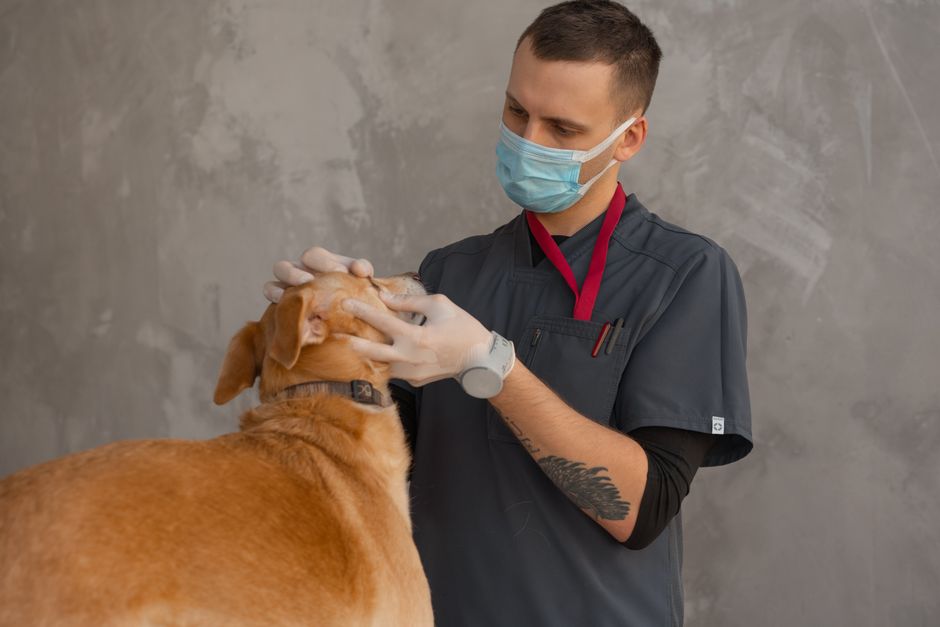
When you discover fleas or ticks on your dog, professional veterinary intervention is often the safest and most effective way to resolve the problem. At Crystal Creek Animal Hospital, our veterinarians begin with a thorough examination to assess your dog’s overall health, the extent of the infestation, and any related skin issues. In cases of persistent itching or skin irritation, we may recommend veterinary dermatology services to address underlying conditions and ensure your dog receives comprehensive care.
Treatment options for fleas include prescription oral medications, topical solutions, or medicated shampoos—each tailored to your dog’s age, breed, and health status. These products work by killing adult fleas and often disrupting the life cycle to prevent reinfestation. For ticks, our team may recommend fast-acting oral or topical preventives that repel and kill ticks before they can transmit disease. We also remove any attached ticks safely to minimize the risk of infection.
If your dog’s itching is severe or accompanied by skin infections, our team may suggest additional therapies, such as medicated baths or antibiotics for secondary bacterial problems. For dogs with signs of allergies, veterinary allergy testing can help identify triggers and guide long-term management strategies.
Practical Steps to Prevent Fleas and Ticks at Home
While professional treatment is crucial for active infestations, prevention is the best way to keep your dog healthy during Orlando’s peak parasite season. Begin by using a veterinarian-recommended flea and tick preventive consistently, as skipping doses or relying on over-the-counter products can leave gaps in protection. Our veterinary team can advise you on the safest and most effective options for your dog’s specific needs.
Regularly wash your dog’s bedding, vacuum carpets, and clean upholstered furniture to remove flea eggs and larvae. Outdoor areas, such as your yard or garden, benefit from routine mowing and removal of leaf litter or debris where ticks might hide. If you have multiple pets, ensure all animals are protected, since fleas can jump between hosts. After outdoor adventures, check your dog’s coat and skin for hitchhiking ticks, especially around the ears, neck, and paws.
For dogs with a history of skin reactions or allergies, consider scheduling a wellness examination to discuss personalized prevention strategies. Our veterinarians can provide guidance on environmental management and long-term parasite control plans.
When to Seek Veterinary Care for Fleas and Ticks
Some flea and tick problems can be managed at home with preventive products and regular checks, but certain situations call for immediate veterinary attention. If your dog develops severe itching, red or inflamed skin, hair loss, or open sores, prompt care is necessary to prevent complications. Dogs showing signs of lethargy, fever, limping, or unexplained weakness after a tick bite may be experiencing a tick-borne illness and should be examined urgently.
Additionally, young puppies, senior dogs, or those with underlying health problems are more vulnerable to the effects of parasites. If you notice pale gums, excessive scratching despite treatment, or see that your efforts at home are not controlling the problem, contact our veterinary professionals for help. Early intervention can prevent serious health consequences and restore your dog’s comfort quickly.
Support for All Your Animals at Crystal Creek Animal Hospital
At Crystal Creek Animal Hospital, we understand that every animal is unique—whether you have a playful pup, a curious cat, or a family of rabbits and pocket pets. Our team is dedicated to providing personalized parasite prevention and treatment plans that fit your household’s needs. While this blog focuses on canine flea and tick prevention, our veterinarians are also equipped to advise on parasite control for other species you may have at home.
We proudly serve Orlando and surrounding communities with a full spectrum of veterinary services. If your dog is struggling with itchy skin, persistent scratching, or you suspect a flea or tick problem, don’t wait for symptoms to worsen. Schedule an appointment at our state-of-the-art facility at 12110 Crystal Commerce Way, Orlando, FL 32837 or call us at (407) 203-0741 for expert guidance.
When searching for a veterinarian near me that truly understands local parasite risks and provides comprehensive care, Crystal Creek Animal Hospital is here for you. Explore our full range of wellness examination and veterinary dermatology services to keep your dog healthy and comfortable all year long. Your dog’s health is our top priority—let us help you make flea and tick season a worry of the past.
This blog is intended for informational purposes only and does not replace professional veterinary advice. If you have concerns about your dog’s health, please consult our veterinary team directly for personalized recommendations.