Dog Walking Safety Tips for Orlando’s Mild Winter

Dog Walking Safety Tips for Orlando’s Mild Winter
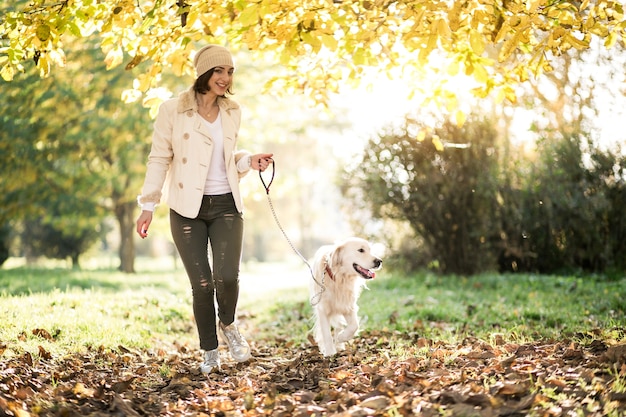
As Orlando pet owners know, December brings the kind of winter weather that makes getting outdoors with your dog truly enjoyable. While much of the country is bundling up against snow and ice, our mild Florida winters mean more sunny days, cool breezes, and ample opportunities to explore local parks and neighborhoods with your canine companion. Yet even in Orlando’s gentle winter climate, there are unique considerations for keeping your pet safe, comfortable, and healthy on every walk.
At Crystal Creek Animal Hospital, located at 12110 Crystal Commerce Way, Orlando, FL 32837, our veterinarians regularly help pet owners from Orlando and surrounding communities navigate the seasonal needs of their pets. Whether you’re a first-time dog owner or a seasoned pet parent, understanding the essentials of winter pet care in Orlando is key to making the most of our beautiful weather while avoiding common outdoor risks. In this guide, we’ll cover dog walking safety tips tailored for Orlando’s winter, including hydration, paw care, outdoor hazards, and how to recognize when your pet might need professional veterinary attention.
If you are preparing for more outdoor adventures with your dog this season, our team recommends scheduling a wellness examination to ensure your pet is ready for increased activity and to discuss any specific health concerns unique to winter in Central Florida. Let’s dive into the most important dog walking safety tips for Orlando’s mild winter.
Recognizing When Winter Dog Walking Safety Is Needed
Even though Orlando’s winters are known for their mildness, certain seasonal changes can still impact your pet’s health during walks. Key signs that your dog may need extra attention include increased panting, reluctance to walk, limping, or licking at their paws after being outside. Additionally, you might notice your pet drinking more water than usual or showing signs of fatigue sooner than expected.
It’s also important to monitor for environmental risks that are more common in winter, such as exposure to lawn chemicals or seasonal allergens. While frost is rare in Orlando, the cooler mornings may still affect small, thin-coated, or senior dogs, making them more sensitive to temperature changes. If you observe persistent coughing, sneezing, or skin irritation after outdoor activities, these could indicate allergic reactions or contact with irritants. Keeping an eye on these changes allows you to respond quickly and seek guidance from a veterinarian near me if any concerning symptoms arise.
Why Dog Walking Safety Is Important in Orlando’s Winter
While our winters rarely bring cold snaps severe enough for snow, Orlando’s unique environment means winter walks still present certain challenges. Fluctuating temperatures can affect hydration needs, and occasional rain showers may leave sidewalks slippery or scattered with debris. Pesticides and fertilizers used by homeowners and landscaping crews can linger on grass and pavement, presenting a risk if your dog licks their paws after a walk.
Paw care becomes especially important because, even without snow or ice, dogs are still exposed to rough surfaces, road salt residue, or sharp debris hidden under leaves. Orlando’s mild winter also coincides with peak allergy season for some pets, as molds and pollens can remain prevalent even during the colder months. Understanding these factors is key to effective winter pet care in Orlando and helps you plan safer, happier outings for your dog.
Essential Dog Walking Safety Tips for Orlando’s Mild Winter
Hydration and Temperature Awareness
Proper hydration is just as critical in the winter as it is during our hotter months. Even on cooler days, active dogs can become dehydrated, especially during longer walks or play sessions. Make it a habit to bring fresh water for both you and your pet, offering frequent sips, particularly if your route includes parks or trails where water might not be available. If your dog seems to pant more than usual or looks for shade, it’s a sign they could be overheating or dehydrated.
Orlando’s winter mornings can feel chilly, especially for puppies, senior pets, or those with thin coats. Consider a lightweight dog sweater for extra warmth during early walks, and always monitor for shivering or discomfort. If you notice your pet is hesitant to go outside or seems to tire quickly, a wellness examination can help identify any underlying health issues that may be affecting their cold tolerance.
Paw Care and Outdoor Hazards
Protecting your dog’s paws is crucial for safe winter walks. Surfaces can become rough or abrasive, and although snow is rare, you may still encounter cold pavement in the mornings or after rain showers. Check your dog’s paws for redness, cracks, or small cuts after each walk. Wiping their feet with a damp cloth after outdoor play helps remove potential irritants like fertilizers or allergens.
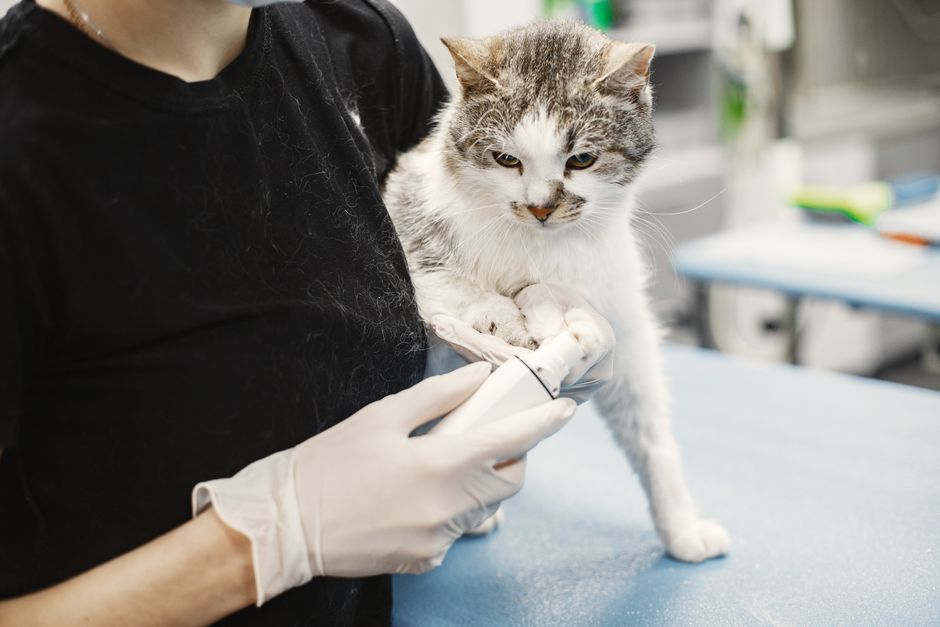
If you observe signs such as persistent paw licking, limping, or visible sores, it’s important to schedule a veterinary visit. Our wellness examination services include thorough paw checks and guidance on home care, as well as recommendations for paw balms or protective booties suited for Central Florida’s conditions.
Managing Seasonal Allergies and Skin Health
Orlando’s mild winter does not guarantee an allergy-free season for pets. Persistent itching, red or watery eyes, and sneezing can indicate environmental allergies, which are common during the cooler months when certain molds and pollens remain active. If your dog frequently scratches, bites at their skin, or develops hot spots after walks, our veterinary professionals can provide allergy testing and targeted treatment options tailored to winter pet care Orlando.
Preventing Overexertion and Monitoring Behavior
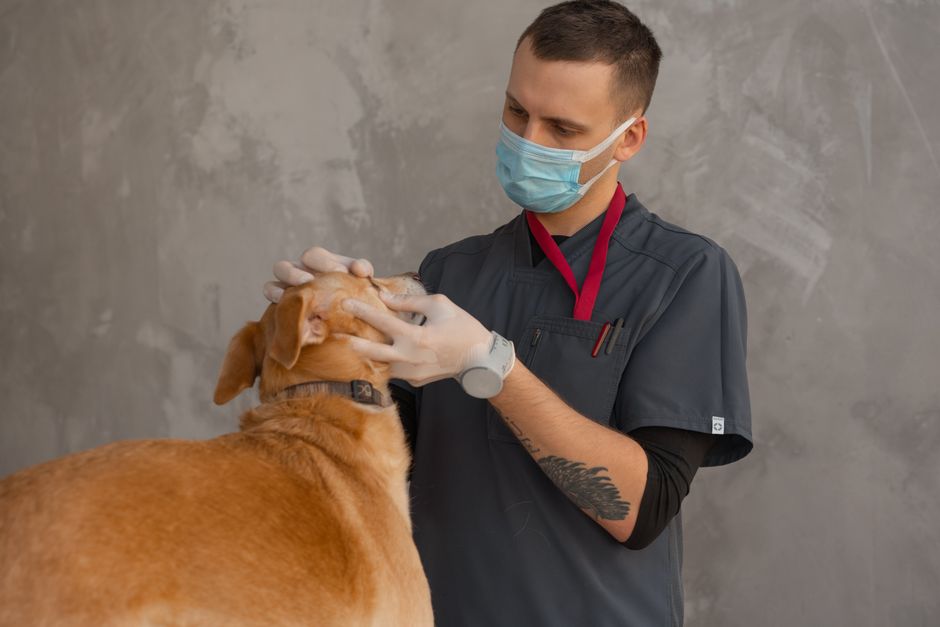
Winter weather in Orlando often encourages longer walks and more outdoor play, but it’s important to pace your pet and observe for signs of fatigue. Overexertion can occur if your dog is not accustomed to increased activity levels or if they have underlying health conditions such as arthritis or heart disease. Signs of overexertion include excessive panting, lagging behind, or lying down during walks. If your pet exhibits any of these symptoms, it’s wise to cut the walk short and consult with a veterinarian near me for an assessment before resuming strenuous activities.
Safe Walking Practices in Orlando Neighborhoods
Always use a sturdy leash and harness to maintain control, especially when walking near busy roads or unfamiliar parks. Orlando’s winter brings increased traffic and holiday activity, so being vigilant is key for your dog’s safety. Stick to well-lit areas during early morning or evening walks, and avoid routes where standing water or landscaping chemicals may be present.
If you plan to be away for the holidays or need support with your pet’s grooming after muddy walks, our pet grooming services help keep your dog clean, comfortable, and ready for their next adventure.
Prevention and Home Care for Orlando Dog Walkers
Taking a few proactive steps can make every winter walk safer and more enjoyable for your pet. Regularly inspect your dog’s collar and identification tags to ensure they are secure and up to date, which is especially important during increased holiday travel and outdoor gatherings. Before heading out, check the weather for sudden changes and plan your route to avoid hazards such as construction zones or recently treated lawns.
At home, establish a routine of cleaning your dog’s paws after walks to remove any lingering debris or chemicals. For pets with sensitive skin or a history of allergies, our allergy testing services can help you identify specific triggers and develop a management plan suited for the Orlando area. Incorporating these simple habits into your winter pet care routine in Orlando supports your dog’s long-term health and comfort.
When to Seek Veterinary Care After a Walk
While most winter walks in Orlando are uneventful, knowing when to seek professional help is crucial. You should schedule an appointment with our veterinary team if your dog experiences persistent limping, open sores on their paws, or displays signs of heat stress such as excessive drooling, vomiting, or disorientation. Allergic reactions that cause facial swelling, difficulty breathing, or sudden hives require immediate attention and could indicate a medical emergency.
Dogs who develop ongoing skin irritation, chronic coughing, or changes in behavior after outdoor activity may benefit from a comprehensive assessment, such as a wellness examination or targeted allergy testing. Our veterinarians are equipped to diagnose and treat a wide range of conditions related to dog walking safety, ensuring your pet receives the best possible care in Orlando and surrounding communities.
Conclusion: Enjoy Safe, Healthy Winter Walks with Your Dog in Orlando
Orlando’s mild winter is the perfect backdrop for getting outside and making memories with your canine companion. By staying mindful of hydration, monitoring paw health, and being alert to seasonal risks, you can enjoy every walk with confidence. If you ever have concerns about your pet’s health or want to learn more about winter pet care Orlando, the veterinary professionals at Crystal Creek Animal Hospital are here to help.
We invite you to schedule an appointment for a wellness examination, especially if your dog will be increasing their outdoor activity this season. Our team is dedicated to providing quality veterinary services near me and supporting the wellbeing of pets throughout Orlando and nearby communities.
For questions about dog walking safety tips or to book your next visit, call (407) 203-0741 or stop by our hospital at 12110 Crystal Commerce Way, Orlando, FL 32837. To learn more about our wellness examination options, visit our wellness examination page.
As your trusted vet near me, Crystal Creek Animal Hospital is committed to keeping your pet healthy and happy all year long.
This blog is intended for educational purposes only and should not substitute for professional veterinary advice. Always consult with your veterinarian for specific questions or concerns regarding your pet’s health.