How to Prep Your Farm Animals for Orlando’s Cooler Months

How to Prep Your Farm Animals for Orlando’s Cooler Months
As November approaches and the Orlando weather begins its subtle shift, producers throughout Central Florida start thinking about how to keep their herds and flocks healthy during the region’s cooler months. While winters here are mild compared to much of the country, even these modest temperature drops can affect the wellbeing of cattle, goats, pigs, and other livestock. At Crystal Creek Animal Hospital, located at 12110 Crystal Commerce Way, Orlando, FL 32837, our veterinary professionals understand the unique needs of farm animals in Florida’s climate. We partner with local producers to ensure herds stay robust, productive, and comfortable through the winter. This guide covers practical steps to optimize nutrition, shelter, and parasite control, as well as how our team supports your operation with preventive care and timely interventions.
Recognizing Seasonal Challenges for Your Herd
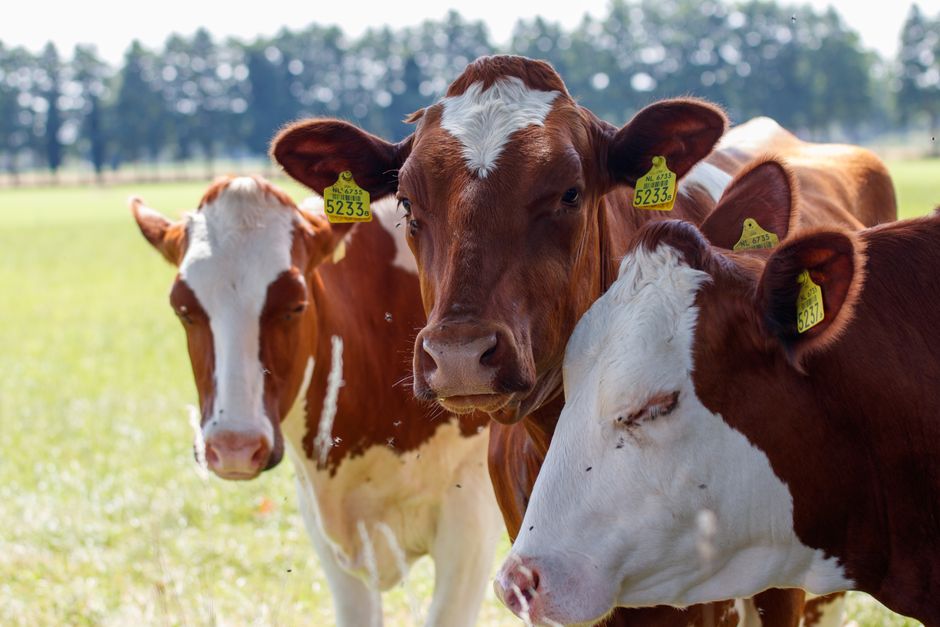
Florida’s winters may not bring snow, but even small changes in temperature, humidity, and daylight can create challenges for livestock health. Producers often notice that their cattle, goats, or pigs are more vulnerable to respiratory issues, sudden weather fluctuations, or changes in forage quality as cooler months set in. Common signs that your herd may be struggling with seasonal transitions include mild coughing in cattle, unexpected weight loss in goats, or reduced activity and appetite in pigs. Additionally, animals may appear more lethargic during chilly, damp mornings or display rougher hair coats as their bodies adjust.
Paying attention to these subtle changes early can help prevent more serious health issues from developing. For instance, calves and kids are particularly susceptible to stress during temperature swings, which can lower their immune response and increase their risk for illness. The risk of parasite burdens may shift as well, since cooler temperatures can alter the lifecycle of common internal and external parasites. When you observe changes in your herd’s behavior, body condition, or overall performance, it’s time to take a closer look at how the season may be impacting their health.
Why Cooler Months Impact Livestock in Central Florida
The mild winters in Orlando might seem insignificant, but they can still influence livestock health in several important ways. Even small temperature drops require animals to expend more energy to maintain body heat, especially overnight. This is particularly true for young animals or those in thin body condition. Forage quality often declines in winter, as warm-season grasses go dormant and pastures provide less nutrition. Without strategic supplementation, cattle and goats may not receive the energy and protein needed to maintain condition or support growth.
Additionally, damp, chilly weather can increase the risk of respiratory infections, especially in poorly ventilated barns or crowded pens. Swine are prone to respiratory issues in fluctuating temperatures, while goats may be more susceptible to parasites due to wetter ground. Even in a subtropical climate, cold snaps or rainy spells can challenge livestock, particularly if shelter is inadequate. Understanding these regional risk factors is key to developing an effective winter management plan for your operation.
Veterinary Strategies for Winter Livestock Health
Experienced producers know that proactive herd health management is the best way to keep animals thriving through seasonal changes. At Crystal Creek Animal Hospital, our team of veterinarians collaborates with producers to design nutrition programs that account for lower-quality forage, ensuring cattle, goats, and pigs receive the right balance of energy, protein, and minerals. Supplemental hay, appropriate concentrates, and targeted mineral mixes can help maintain body condition and reproductive performance throughout the winter.
Shelter is another critical aspect. Even in Orlando, providing windbreaks, dry bedding, and access to covered areas can help animals conserve body heat and reduce stress during cold or rainy spells. Our veterinary team can advise on practical shelter enhancements for everything from large cattle herds to small backyard flocks.
Parasite control routines may need adjustment as well, since some worms and external parasites remain active year-round in Florida’s climate. Our veterinarians recommend regular wellness examinations for livestock, which allow us to assess body condition, check for signs of parasitism, and recommend appropriate deworming or external parasite treatments. For breeding operations, winter is also a key time to evaluate reproductive status and plan for the upcoming calving or kidding season with proper vaccinations and nutritional support.
When animals do fall ill, our hospital in Orlando is equipped to provide diagnostic services, hospitalization, and treatment for a range of livestock health concerns. Timely veterinary intervention can make all the difference in preventing minor issues from impacting the productivity or wellbeing of your herd.
Practical Steps Producers Can Take This Winter
While veterinary care is essential, many steps to keep your herd healthy through the cooler months begin on your operation. Forage assessment should be a top priority, with producers regularly evaluating pasture quality and supplementing with hay or appropriate feeds as needed. Ensuring that water troughs remain clean and unfrozen is critical, as reduced water intake can quickly lead to dehydration or poor feed utilization in cattle and goats.
Shelter improvements need not be elaborate; even simple windbreaks or access to a barn can provide protection from the elements. Bedding areas with dry straw or shavings help pigs and goats stay comfortable and minimize the risk of chilling. Producers should also inspect animal housing for drafts, leaks, or muddy conditions that may contribute to illness.
Parasite monitoring is a year-round requirement in Florida, but strategic fecal testing and timely deworming can be especially important during winter when animals are stressed or congregated in smaller spaces. Our pet diagnostic lab services allow us to quickly assess parasite burdens and recommend targeted treatment plans for your herd.
Finally, keeping accurate records of animal health, nutrition, and any illnesses will help identify patterns and inform future management decisions. Producers can also plan ahead for spring breeding or calving by scheduling reproductive evaluations and vaccinations now, reducing potential setbacks later in the year.
When to Seek Veterinary Care for Your Livestock
Knowing when to call in professional help can prevent small problems from becoming major setbacks. Producers should seek veterinary attention if they notice persistent coughing, rapid weight loss, swollen joints, or a sudden drop in appetite among their animals. Calves, kids, or piglets that appear weak, fail to nurse, or have diarrhea require prompt intervention, as young animals are especially vulnerable during cool, damp weather.
If you observe abnormal behavior, lameness, or sudden changes in body condition, scheduling a herd health check can identify issues early and guide appropriate treatment. Our team at Crystal Creek Animal Hospital is available for both routine and urgent care for livestock, providing comprehensive diagnostics, treatment, and support for herds in Orlando and the surrounding areas. In true emergencies, such as calving difficulties, severe injury, or suspected poisoning, immediate veterinary care is critical to protect both animal welfare and your operation’s bottom line. For situations involving acute illness or injury, you can turn to our emergency veterinary care for timely treatment.
Supporting Your Herd Through Orlando’s Winter: The Crystal Creek Approach
As a producer, your animals’ health and productivity are the foundation of a successful operation. Even in Florida’s milder winter months, adjusting your management practices to meet the season’s challenges can make a significant difference. By optimizing nutrition, providing adequate shelter, monitoring for parasites, and scheduling regular wellness examinations, you set your herd up for a healthy, productive season.
If you have concerns about your cattle, goats, pigs, or other livestock this winter, our veterinary professionals are here to help. Schedule an appointment with our team at 12110 Crystal Commerce Way, Orlando, FL 32837 or call (407) 203-0741 to discuss a herd health plan tailored to your operation. When searching for a veterinarian near me who understands the unique needs of Florida producers, trust Crystal Creek Animal Hospital to provide the expertise, care, and support your animals deserve. Your herd’s well-being is our team’s top priority, every season of the year.